Attendance automation
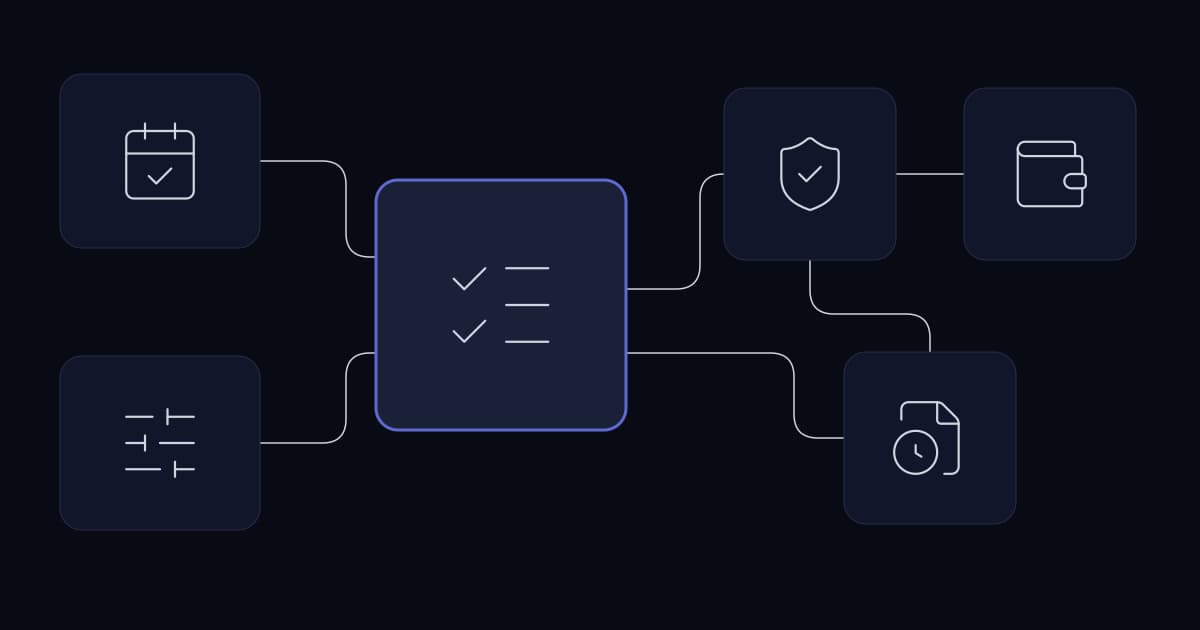
Attendance systems rarely fail at recording attendance. They fail at the exceptions — the forgotten clock-out, the site visit, the shift that crosses midnight — and the exceptions are where all the manual work actually lives.
Write-ups from deployments we have actually run, organised by section. Specific problems, the reasoning behind the approach, and what it cost to get wrong. Client names are withheld under confidentiality.
Page 3 of 8
Attendance systems rarely fail at recording attendance. They fail at the exceptions — the forgotten clock-out, the site visit, the shift that crosses midnight — and the exceptions are where all the manual work actually lives.
Payroll is the one business system where an error is felt personally by the person it affects, on the day it happens. That single property should decide how it is built — which means reconciliation and auditability matter more than throughput.
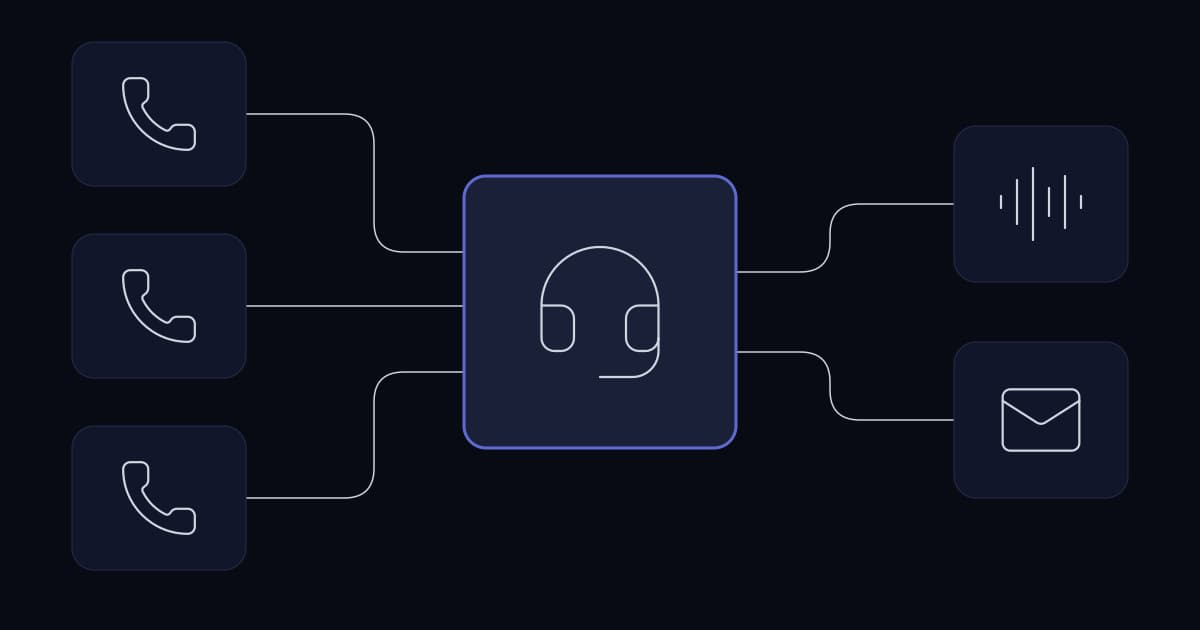
A call centre running several FreePBX deployments had no single place to see how agents were performing. Grafana could chart the numbers; it could not play back a recording or keep one agent's voicemail away from another. The fix was a portal, not a better dashboard.
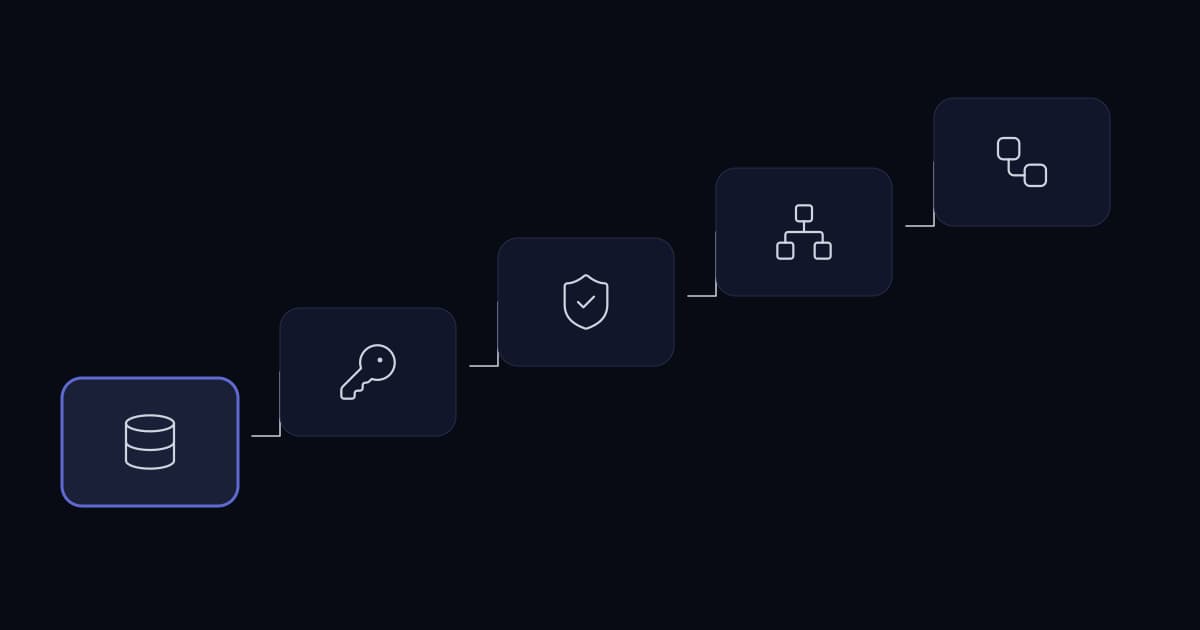
The order matters more than the list. Most IT programmes fail not because the wrong things were chosen but because they were attempted in an order where each depended on something that had not been done yet.
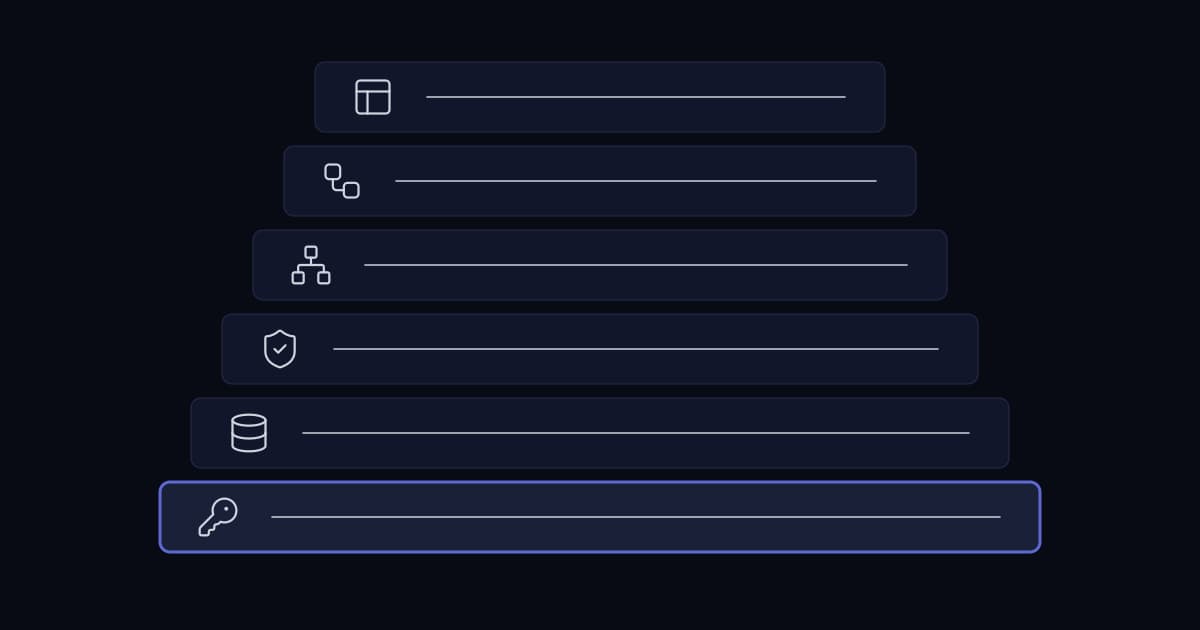
What a business of thirty to three hundred people actually needs, layer by layer, with the decision each layer turns on. Not a shopping list — a map of which choices are consequential and which are not.
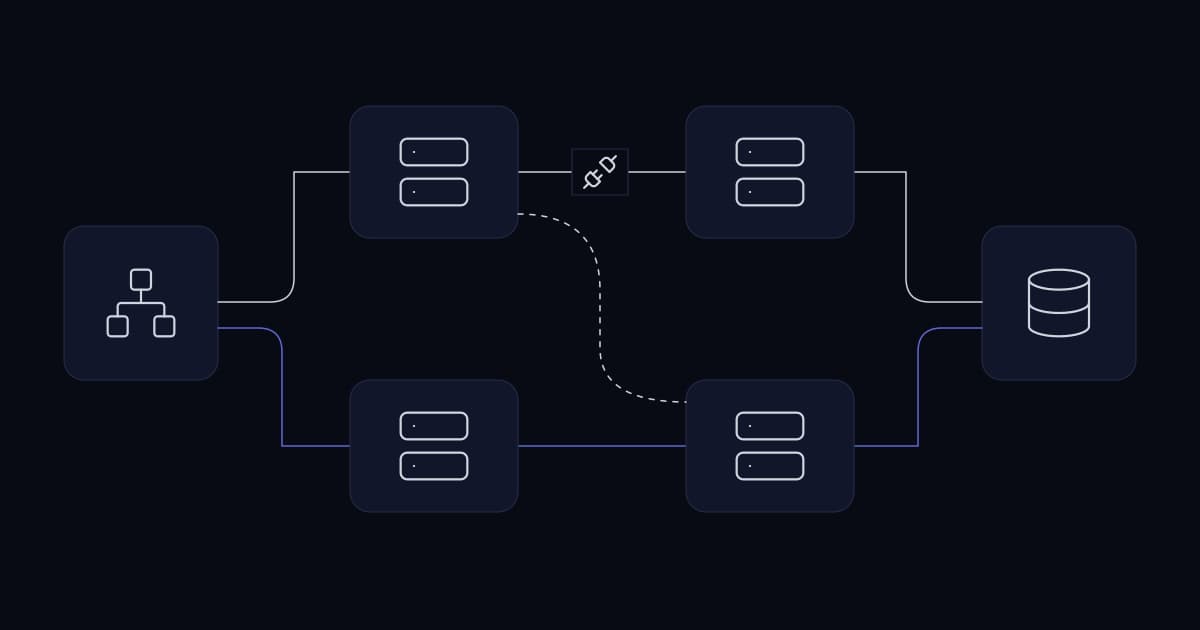
Modernisation programmes are planned as purchases and fail as cutovers. The engineering that decides the outcome is the sequencing, the rollback and the hour on the day — none of which appears in the quotation.
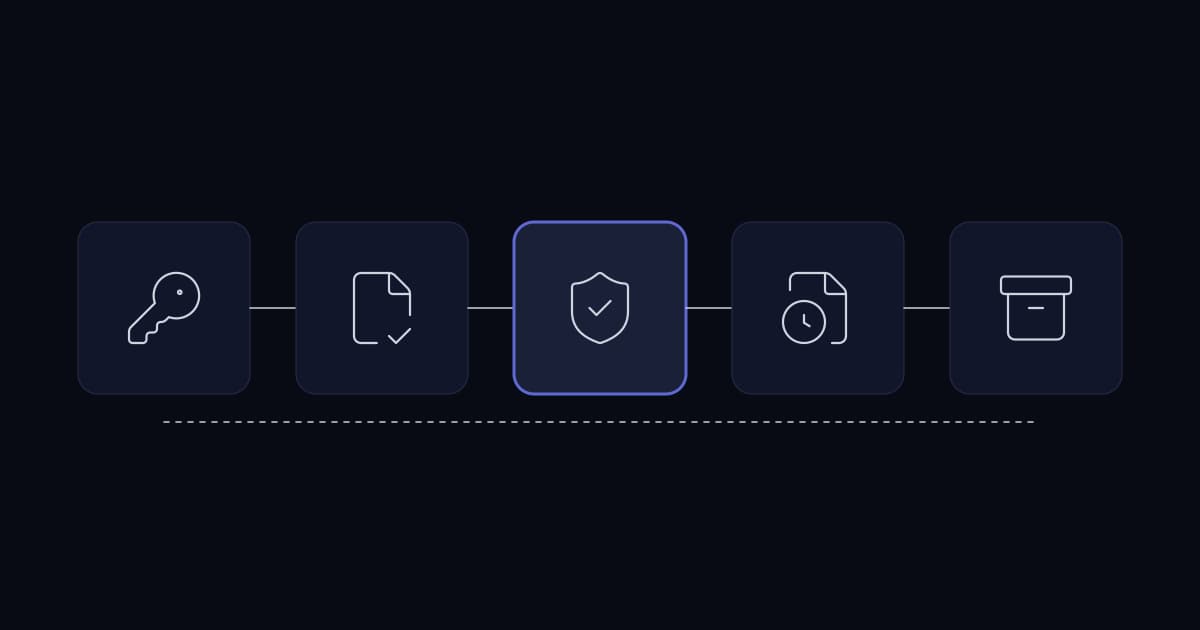
What makes financial IT different is not stronger security. It is that every action must be attributable afterwards, every change must be evidenced, and the availability requirement is contractual rather than aspirational.
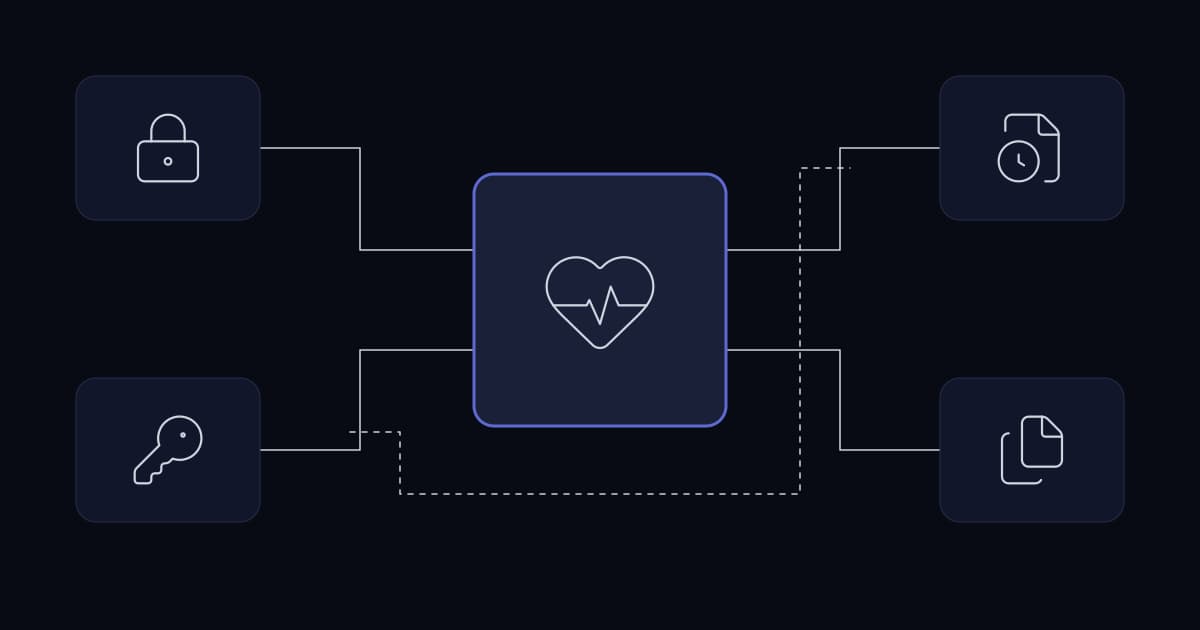
Healthcare IT has a constraint most sectors do not: the access control has to be strict enough to protect records and loose enough that nobody is locked out of information they need in an emergency. Everything difficult follows from that tension.
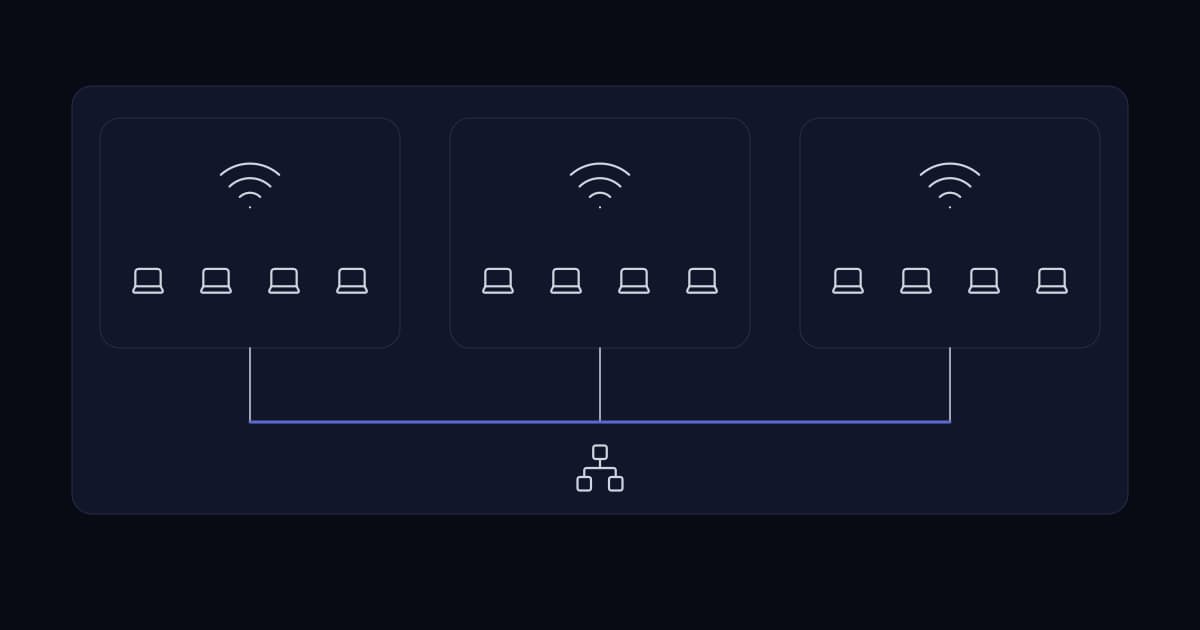
Education IT is shaped by three things no ordinary business faces: everyone arrives at once, the user population turns over almost entirely each year, and a large part of it is actively curious about the network.
The first AI project decides whether there is a second one. Most businesses pick the most visible use case, which is also the one most likely to fail publicly — and the selection criteria that avoid that are not the ones usually applied.
The useful applications inside a business are unglamorous and reviewable: drafting, summarising, classifying, and finding what somebody already wrote down. They work because a person sees the output before it matters.
Extracting data from invoices, forms and statements is one of the few AI applications with an objectively correct answer, which is what makes it succeed where vaguer projects fail. The difficulty is not extraction — it is what happens to the cases the system is unsure about.
We typically respond within 4–8 business hours.